Chicago sits at the heart of the Midwest’s manufacturing corridor, and for four days this fall, McCormick Place will become a global stage for the packaging industry. PACK EXPO International 2026 will bring OEMs, technology suppliers, and packaging professionals to the Windy City Oct. 18-21.
Across the show floor, new equipment will take on some familiar manufacturing challenges: handling more products, changing lines over faster, using less floor space, and making machines easier to run.
Ahead of the event, Packaging OEM spoke with Amit Mhatre, Emerson’s business director of factory automation for the Americas, who said OEMs also need to think beyond what a customer needs today.
“The production requirements keep changing. You don’t know how you are going to use the machine two years down the line, three years down the line,” said Mhatre. “Machine builders need to provide the solutions that can adapt to new product requirements and future upgrades without changing the complete design.”
Mhatre added that speed and performance still matter, but so do flexibility, energy efficiency, connectivity, and easier integration. The goal is to give manufacturers room to change products or upgrade equipment without starting over.
It’s an idea that shows up again and again in the new machinery and technology headed to Chicago.
Machines that change with production
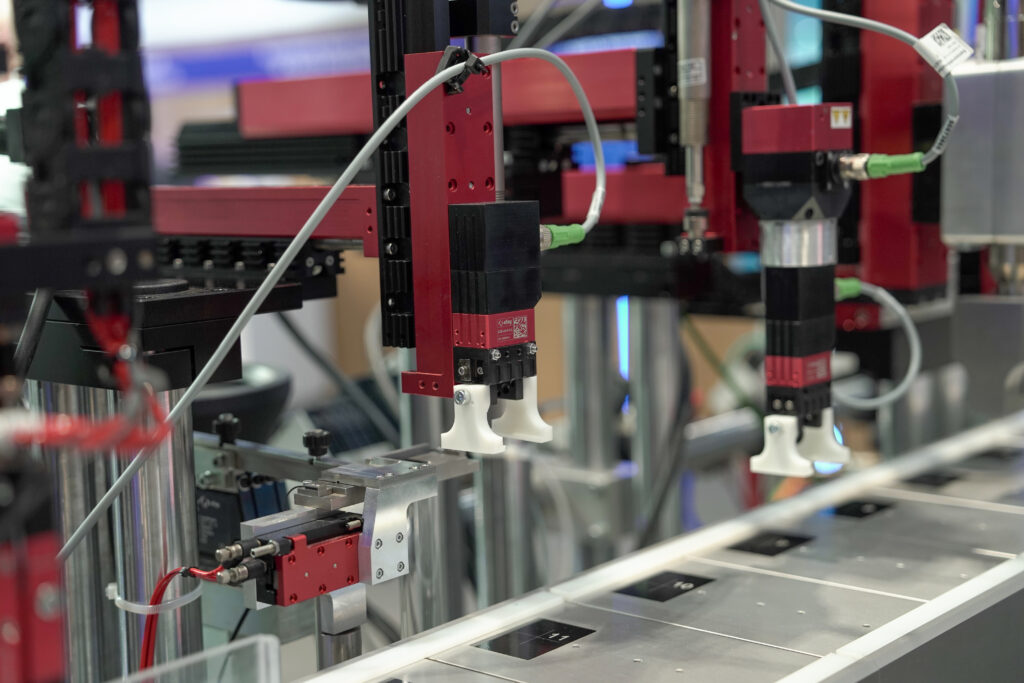
Changing products should not mean losing hours of production, and several OEMs headed to the show are focusing on ways to make changeovers faster and easier.
At Booth S-1714, Triangle Package Machinery will debut SmartChange on its X-Series vertical form-fill-seal (VFFS) systems. The technology uses automated positioning, laser verification, digital feedback, and operator prompts to guide employees through setup between product and package changes.
The Chicago-based OEM says SmartChange can reduce changeover-related downtime by up to 60%.
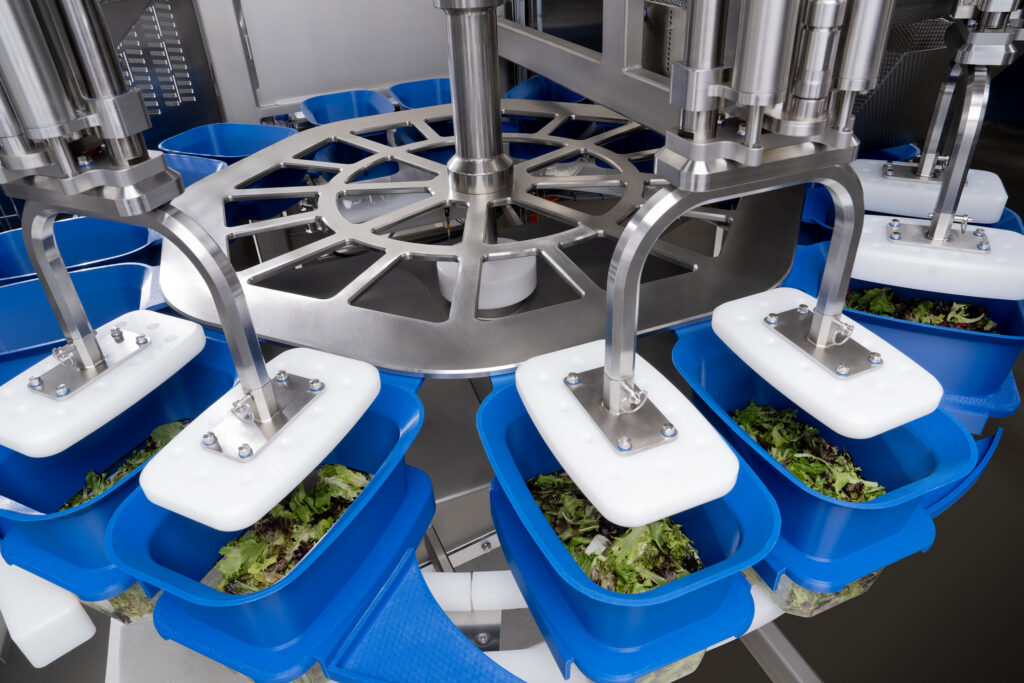
Spee-Dee Packaging Machinery is also trying to take more of the work out of changeovers with its new High-Speed, Ultra-Hygienic Rotary Tray Filling System at Booth S-1647.
The machine can fill up to 100 trays per minute with leafy greens and other loose-fill products. Three servo-controlled tamping points help push product farther into the tray and away from the seal area, while recipes and magnetic change parts simplify setup.
Mark Navin, vice president of business development at Spee-Dee, said those design choices reflect what the company is hearing from customers.
“Uptime and reducing changeover times — line efficiency continues to be at an all-time high demand,” said Navin. “If we can make a machine that can change over more quickly and keep the line running, everybody’s happier, and line efficiency goes up.”
That focus on flexibility extends to machines designed to maintain high production speeds.
TNA Solutions will give North American attendees a first look at its tna robag Quantum at Booth N-5109, ahead of its planned 2027 release. The VFFS system can run up to 300 bags per minute on a single tube, depending on the bag, film, and product. It uses autonomous setup and simplified controls to help manufacturers handle changing products and pack sizes.
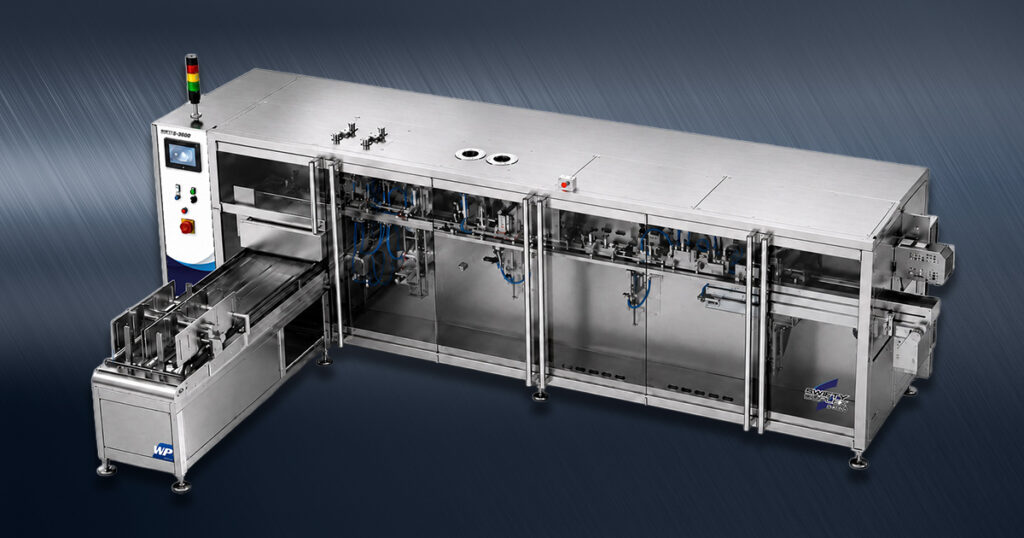
WeighPack Systems, part of ATS Corporation, is taking a similar approach with premade pouches at Booth N-6106. Its Swifty S-3600 Duplex uses two independent lanes to fill and seal up to 80 pouches per minute, depending on the product and application. A straight-line design provides access for cleaning, maintenance, and changeovers.
Robotics gets easier to deploy
The push to make machines easier to change is also showing up in robotics, where suppliers are reducing the programming and setup needed to automate packaging tasks.
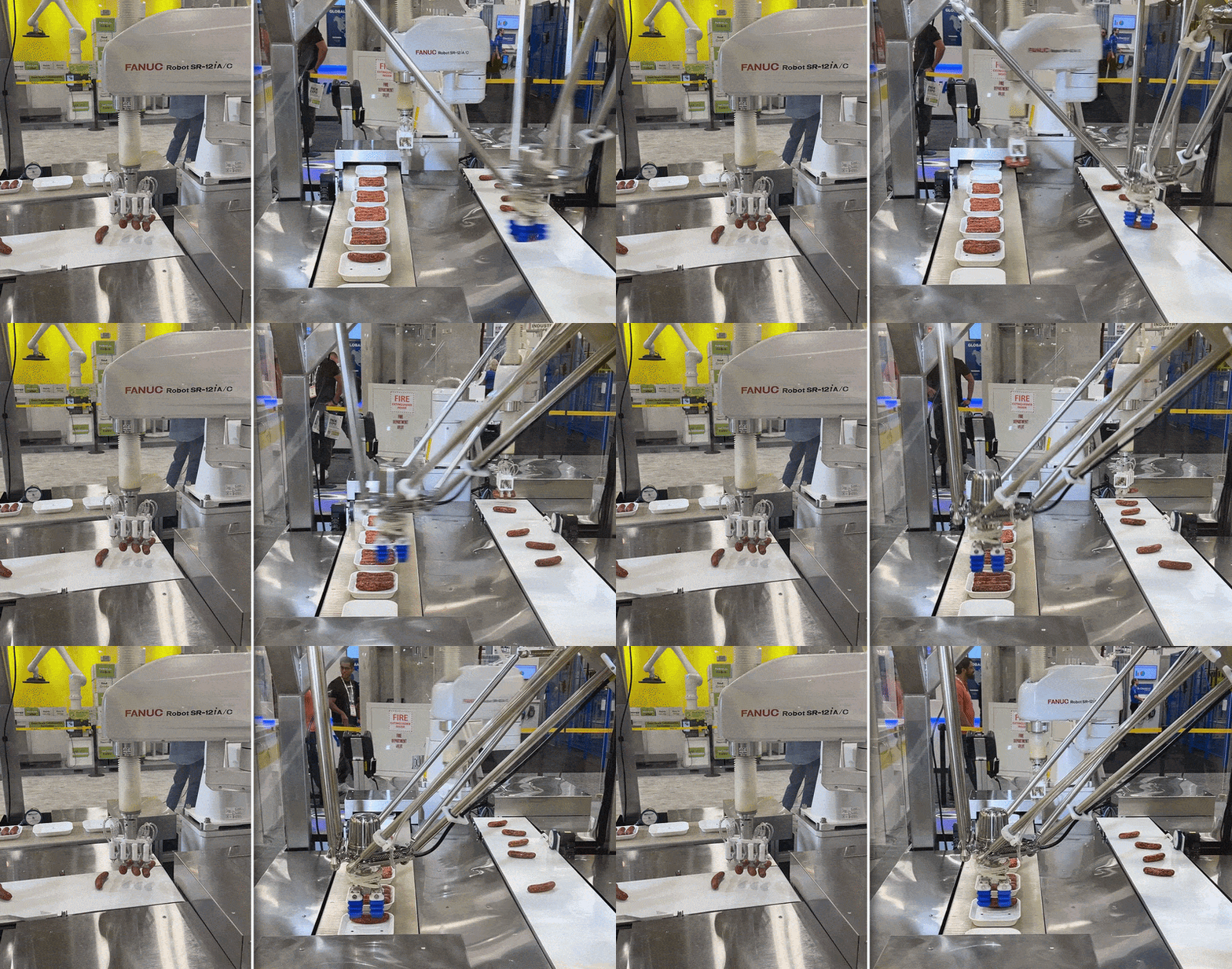
At Booth N-5117, FANUC America will demonstrate a CRX-20iA/L collaborative robot that can be programmed through spoken instructions. Generative artificial intelligence (AI) translates the requested production setup into Python code and robot actions.
The company will also show food-handling applications for sausage links and frozen proteins, along with three cobots working together across picking, label verification, packing, and palletizing. A CRX/30-18A cobot with a 40 kg payload capacity will take on heavier palletizing applications.
Ease of use is only one part of the robotics story. Keeping products moving is another, and KUKA Robotics is focusing on the end-of-line at Booth N-5530.
KUKA will demonstrate a double-sided CUBE palletizing and depalletizing cell developed with FOCUS Integration. It combines a KR IONTEC industrial robot with a KMP 1500P autonomous mobile robot, allowing completed pallets to be removed on one side while palletizing continues on the other.
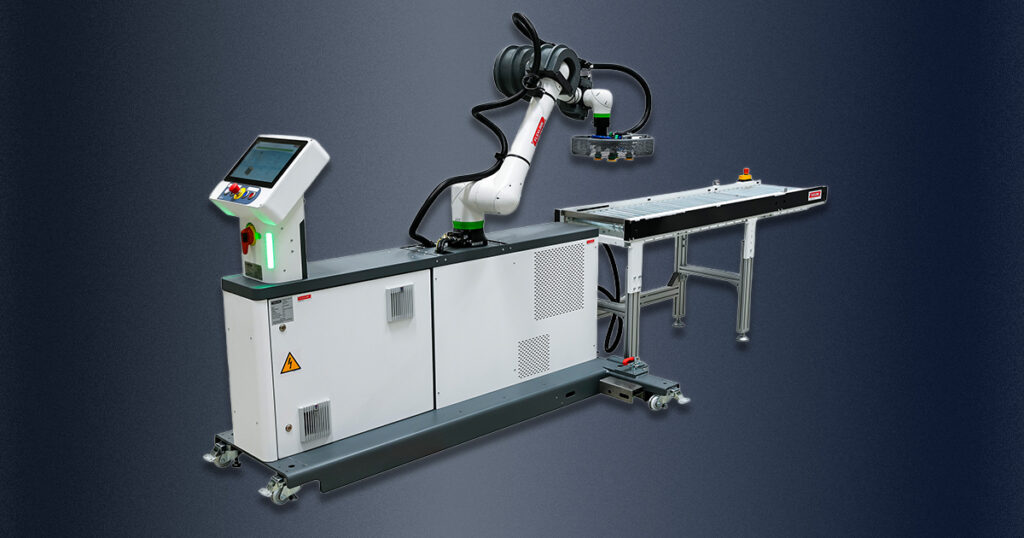
FlexLink, part of Coesia, is also looking to make palletizing easier to set up and change with its new RC20 collaborative palletizer.
The company will demonstrate the RC20 at Booth S-2501. The system handles payloads up to 17 kg, while Robot Config software lets users create and change pallet patterns without robot programming experience. The software simulates the pattern before production, eliminating the need for a dry run.
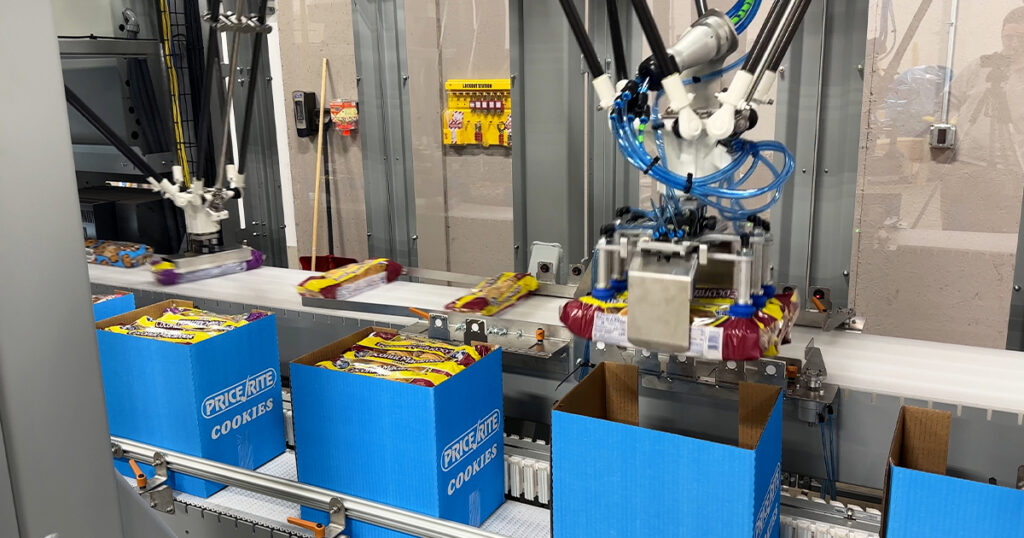
Quest, a ProMach brand, will connect robotic case packing and palletizing through its Flexible One packaging platform. The system brings together machinery from multiple ProMach brands and will be on display at Booth S-3660.
It includes a QX250 robotic case packer, which stores dedicated end-of-arm tooling inside the machine for faster transitions between package formats and case styles. The QB321 palletizer lets operators create, store, and modify pallet patterns through recipe-driven controls without a mechanical changeover.
Smaller footprints, more options
That flexibility matters even more when floor space is tight. OEMs are trying to fit more capability into smaller machines while giving operators better access and leaving room for future changes.
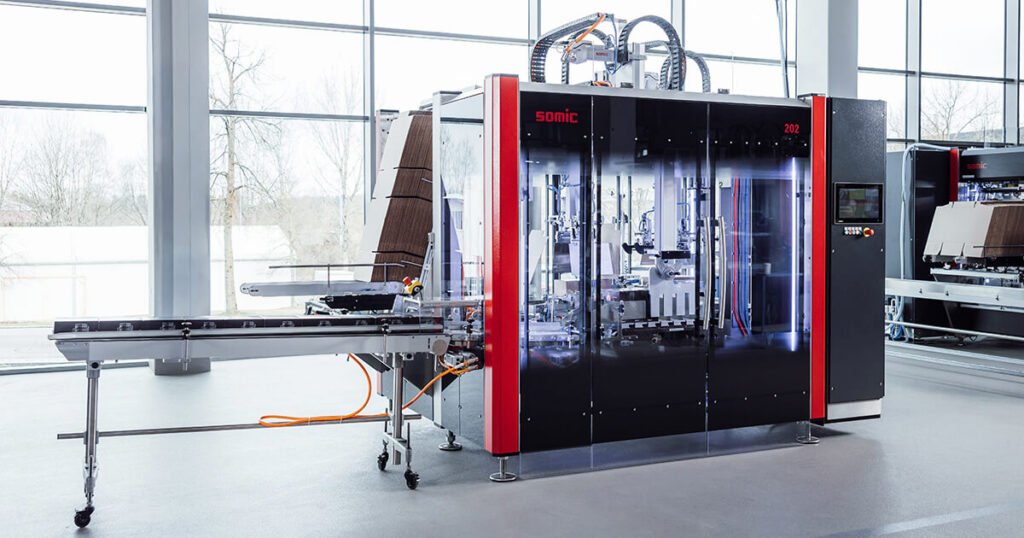
SOMIC Packaging will bring its new SOMIC 202 cartoner to North America for the first time at Booth N-4740. It’s a compact system that handles regular slotted cases, trays, and wraparound cartons at speeds up to 20 packs per minute.
Tool-free SOMIC QuickChange supports format changes, while a 180-degree opening door gives operators more access to the machine.
Compact machine design also makes component size more important.
At Booth S-1666, SIKO Products will show its AP05 electronic position indicator for monitored format changeovers. Measuring about 35 mm x 36 mm x 72 mm, the device supports RS485, CANopen, or IO-Link communication and carries an IP65 protection rating.
“In modern packaging systems, available space is a strategic asset,” said Jürgen Schuh, manager of the changeover solutions business unit at SIKO. “With our compact solutions made in Germany, we help machine builders implement powerful and cost-effective concepts.”
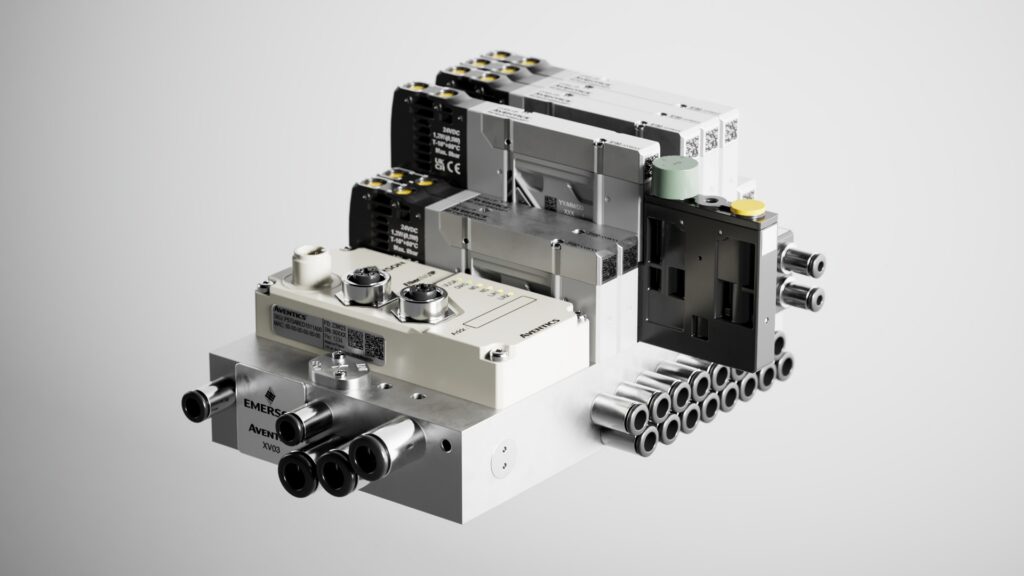
Emerson will bring pressure and motion control technologies for applications including polyethylene terephthalate (PET) and glass blow molding, filling, thermoform-fill, and secondary packaging to Booth N-5449. Its display includes the AVENTICS CL Series valve platform for high-pressure washdown environments and configurable electric motion technologies.
“Our AVENTICS CL Series valve platform is rated for IP69 protection,” said Mhatre. “It can withstand high-pressure cleaning, and it is designed for water-jet washdown applications.”
At Booth S-1654, Bosch Rexroth will focus on motion and conveyance. Its ctrlX FLOWHS conveyance system reaches speeds up to 5 meters per second and acceleration up to 10G.
The company will also show its cabinet-free ctrlX DRIVE IP65/IP67 servo system, which eliminates the need for a traditional control cabinet and can free up space for more modular machine designs.
Flexible conveyance is also changing how suppliers approach controls.
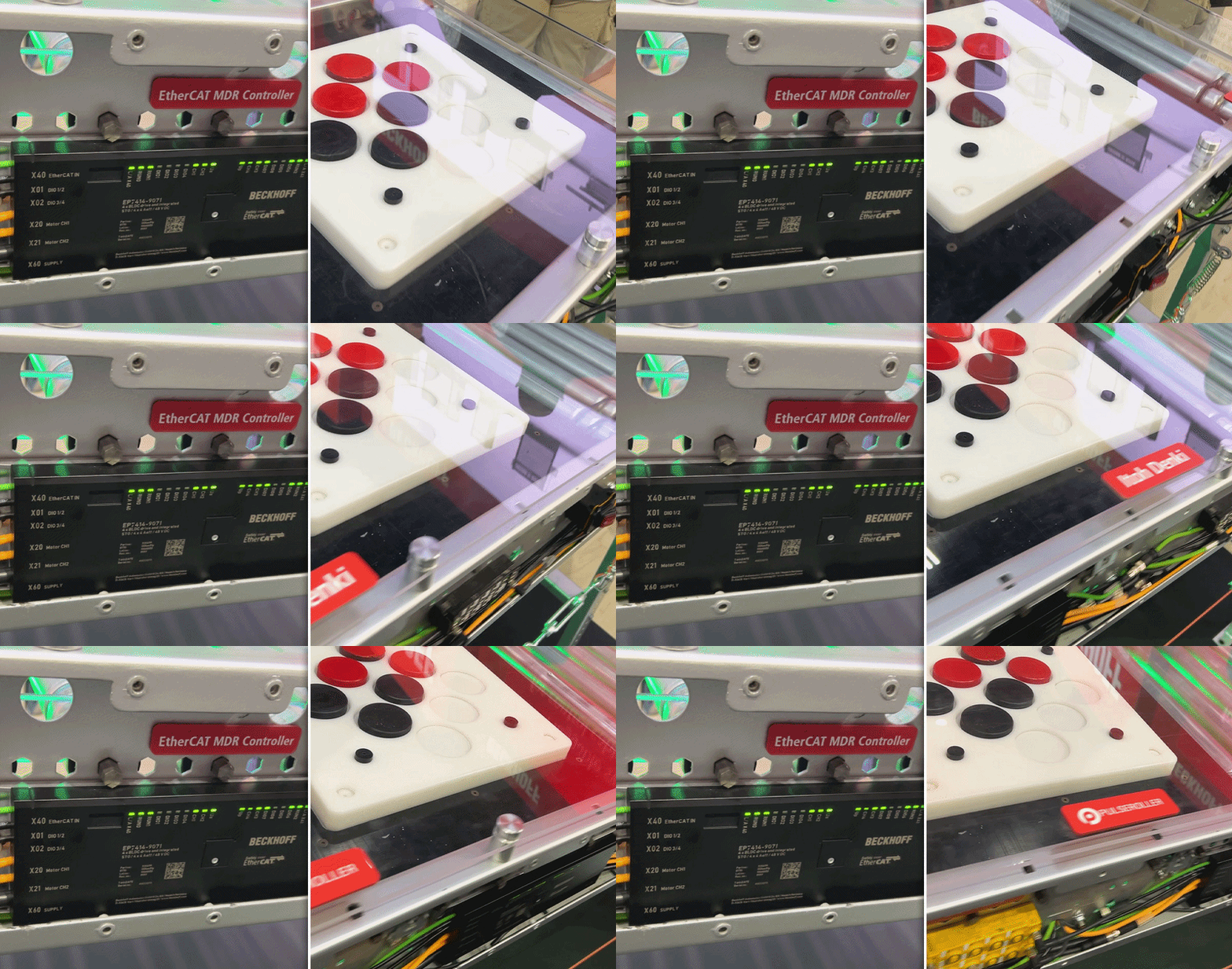
Beckhoff Automation will highlight its EP7402 EtherCAT Box for motor-driven roller (MDR) conveyor systems at Booth S-3682. The controller combines MDR control with communication, cabling efficiency, and safety integration and can work with MDRs from essentially any manufacturer.
“What’s unique about the new MDR controller from Beckhoff is integrated safety,” said Doug Schuchart, global material handling and intralogistics manager at Beckhoff Automation USA, during an interview at MODEX 2026 in Atlanta. “It’s the only MDR controller on the market that has integrated safety.”
Washdown meets efficiency
Space is not the only resource manufacturers are trying to conserve. Energy, compressed air, and cleaning time are also shaping new equipment.
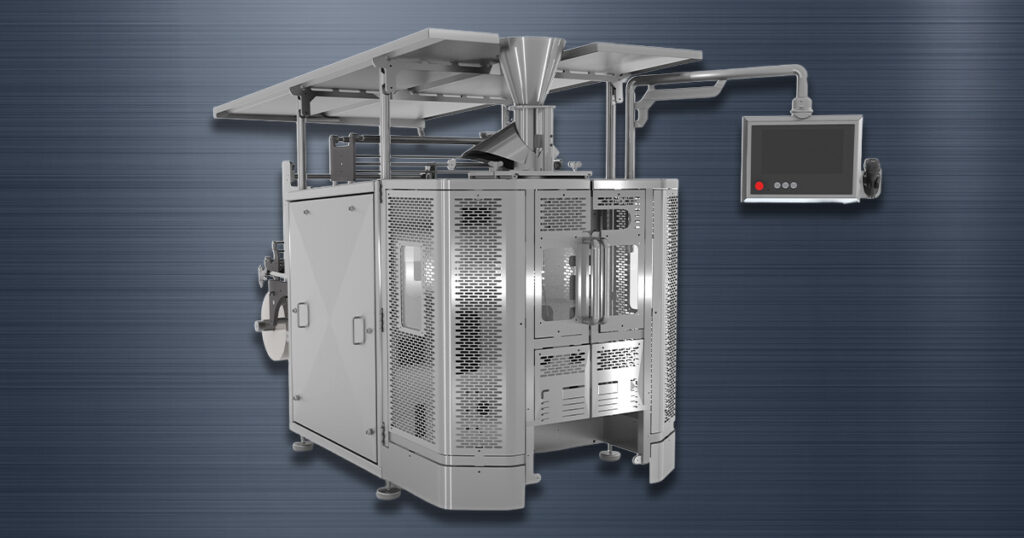
Harpak-ULMA will make the North American trade show debut of its VTC 840 WD VFFS system at Booth S-2939. Designed for high-sanitation food applications, the IP66-certified machine can withstand high-pressure washdown from all angles.
The company says the redesign uses nearly 20% less electricity and more than 30% less compressed air. Barcode-driven recipe automation also adjusts key machine parameters based on the selected recipe.
SPECIAL REPORT | Energy Efficiency in Packaging Machines: A Growing Priority
“Processors have been told for years that better sanitation means more downtime and higher utility bills. We rejected that trade-off,” said Mike Marchand, senior product manager at Harpak-ULMA Packaging.
Those washdown demands also extend to drive components.
At Booth N-4924, NORD DRIVESYSTEMS will show its NXD tupH Sealed Surface Conversion System for washdown applications. The treatment protects aluminum drive housings without using a painted coating.
The company will also show its DuoDrive, which combines a single-stage helical gear unit with an IE5+ permanent-magnet synchronous motor in one compact housing.
Inspection takes on more jobs
As machines handle more products and run faster, quality control has to keep pace.
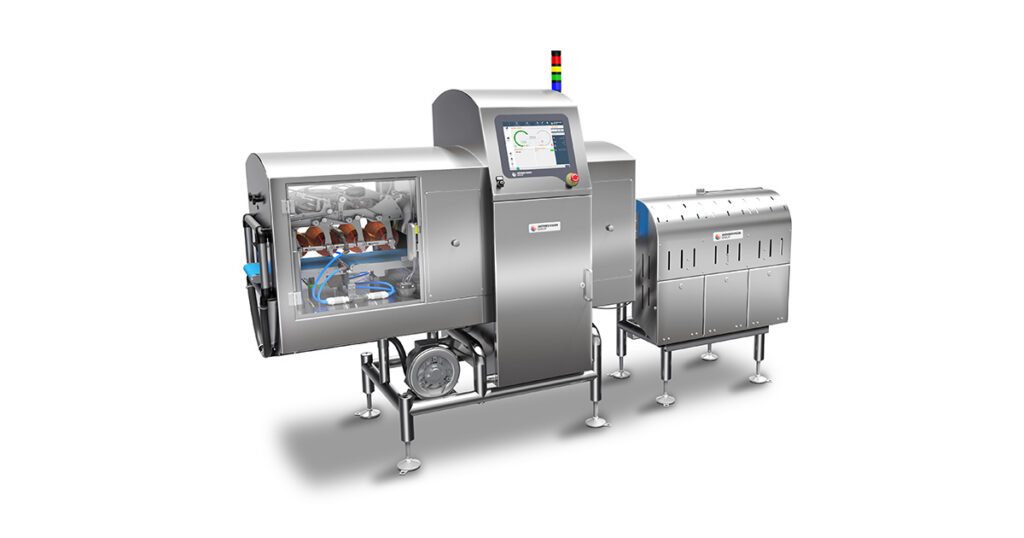
Antares Vision Group will demonstrate its ALL-IN-ONE system at Booth S-4051. The system combines micro-leak detection, X-ray inspection, and checkweighing in one machine. The modular system can also integrate label and code inspection, seal inspection, and serialization depending on the application.
Bill Holmes, president of Applied Vision and FT System North America, both Antares Vision Group companies, expects traceability, industrial automation, and advanced quality control to be major topics in Chicago.
“The growing need for transparency and regulatory compliance across the entire supply chain will continue to drive investments in serialization and digital product traceability,” said Holmes.
Bringing it all together in Chicago
Much of what’s headed to Chicago comes back to flexibility: machines that can adapt faster, fit tighter spaces, and keep up with changing production demands without adding complexity for operators.
Packaging OEM will be in Chicago throughout the show, covering the machinery and technology on the floor at McCormick Place.

Subscribe to the Packaging OEM newsletter
Get the latest news, trends, and technology updates delivered straight to your inbox and make smarter packaging decisions.