Not every packaging challenge is visible from the outside.
A closure may be difficult to open, a container may leak, or components may not interact the way engineers intended. Finding the root cause often requires more than looking at an individual piece in isolation.
That’s where computed tomography (CT) scanning comes in. Rather than cutting a package apart, engineers can use the technology to inspect the complete assembly and evaluate how the container, closure, and materials interact.
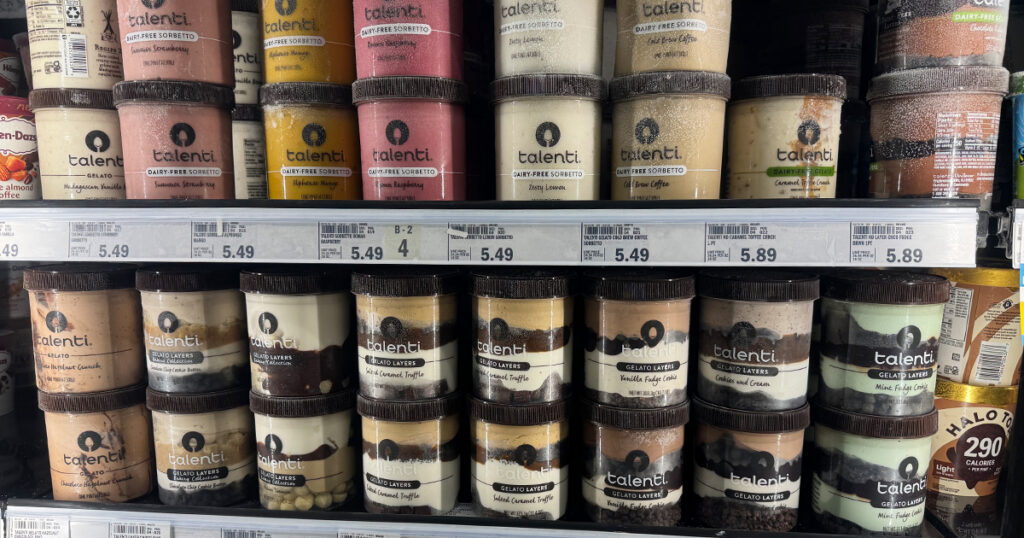
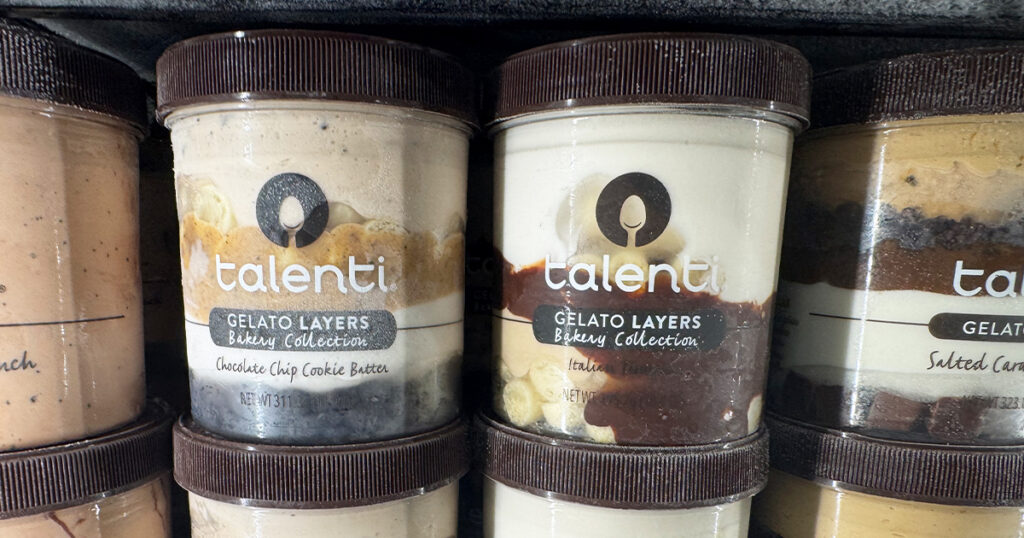
Lumafield, a manufacturer of industrial X-ray CT scanners that also provides cloud-based analysis through a subscription service, used the technology to examine Talenti gelato containers after noticing ongoing social media discussions surrounding the difficult-to-open lids.
Using its Neptune scanner, the company created a 3D model of the package, allowing engineers to visually inspect the assembled container and closure.
“The Talenti story is one that we see come about on Reddit and on different forums. It’s something that’s kind of cyclical that resonates with a lot of people,” said Alex Hao, head of product marketing at Lumafield, during an interview with Packaging OEM. “CT scanning lets you see the whole thing assembled as is.”
Putting the package to the test
Curious about the ongoing discussions surrounding Talenti’s twist-off lid, the company decided to put the package to the test.
“One day it was very much like, ‘Why don’t we buy some ice cream and just take a look?’” said Hao. “The answer might not be something that’s discernible with CT, but why not at least try and see what we can find?”
After purchasing several ice cream containers for comparison, the team faced another challenge: keeping the product frozen long enough to complete the scans.
“We were doing 30-minute scans because we didn’t want the ice cream to get too melted,” said Hao. “The longer you scan it, the less noisy the image gets. I wanted to scan it for as long as I thought was reasonable without totally ruining the ice cream.”
RELATED | Designing the next-generation more sustainable package
Because the team was comparing multiple scans of the same container, Hao needed a consistent reference point throughout the process.
“I was able to line up my scans based on the chocolate chips to make sure I was looking at the same part of the container each time,” said Hao.
What the scan revealed
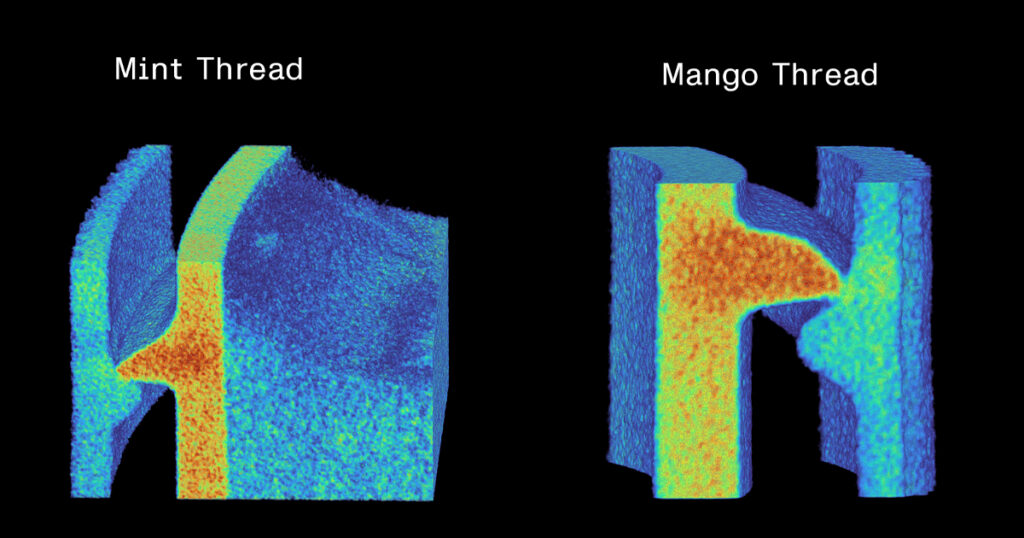
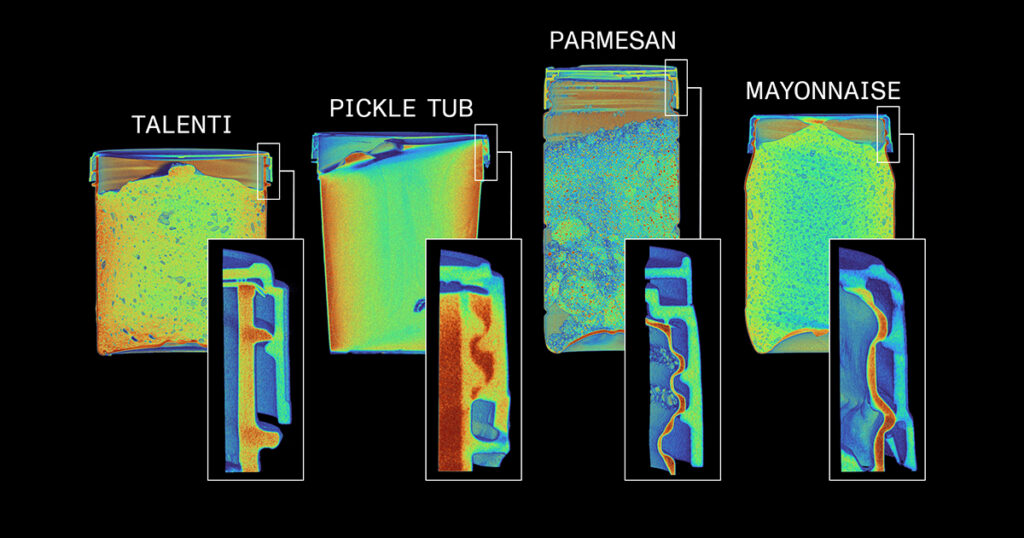
The results showed differences in thread geometry used on the Talenti lid.
“The Talenti ones were really kind of sharp,” said Hao. “They were more similar to threads I saw on a soda bottle or something where the opening was significantly smaller.”
The scan also revealed that the Talenti lid and container were made from different materials, a detail Hao connected to some of the opening techniques consumers discuss online.
“The thread shape combined with the fact that a lot of people recommended using a butter knife around the lid, I wonder if the knife is just dulling that sharp edge that we see in the CT scan,” she said.
By comparison, Hao said containers used for products like grated cheese and mayonnaise typically featured wider, more rounded thread designs.
“The threads, they were a lot more rounded and a lot wider,” she said. “[Talenti] were almost claw-like.”
While the Lumafield scan did not provide a definitive answer to why some consumers struggle to open the Talenti containers, it highlighted design characteristics that differed from those of other packages on the shelf.
Looking beyond destructive testing
For packaging teams, the Talenti experiment serves as one example of how industrial CT scanning can be used to evaluate package design and dive deeper into performance questions.
Hao said the company partners with OEMs and manufacturers to use its CT scanning technology throughout the product lifecycle. That includes design validation, prototype evaluation, failure analysis, and quality inspection.
“We’ve had customers where they have something leaking, and they can’t for the life of them figure out where the leak is coming from,” said Hao. “You put it in the scanner and use automated detection tools, and almost immediately you can find out what you’re looking for.”
Engineers can use the technology during product development to identify potential leak paths before investing in production tooling. CT scanning also helps manufacturers investigate issues that are difficult to identify through traditional inspection methods.
RESEARCH | Food Packaging: A Flexible Future and the Shelf-Ready Revolution
“Sometimes these very fine leak paths aren’t discernible through destructive testing,” said Hao.
Because CT scanning captures the complete assembly, engineers can evaluate wall thickness, thread engagement, component interactions, and internal structure without tearing the package apart.
“I think the main takeaway is that CT scanning allows you to see the interaction of all the components in your package,” she said. “It really allows you to understand the whole in a new way.”

Subscribe to the Packaging OEM newsletter
Get the latest news, trends, and technology updates delivered straight to your inbox and make smarter packaging decisions.
Making CT scanning more accessible
While CT scanning has been used in packaging for years, the technology has traditionally been limited by cost and complexity.
“CT isn’t new to packaging by any means, but historically this equipment has been very expensive,” said Hao. “And you need like years of training to be able to use it, whereas with our machine, people can learn how to use it in half an hour.”
Lumafield addresses those challenges through a subscription-based model that combines the scanner, cloud-based software, maintenance, and replacement parts into a single platform.
The company’s software allows teams across an organization to access and analyze scan data without per-user licensing fees. Hao said the approach helps manufacturers share CT data across facilities and compare results between production sites while maintaining ownership of their data.
“Once you’re subscribed and adding additional machines, we really emphasize bringing that cost down,” said Hao. “It’s economical to have equipment installed at all these stations. You can centralize all the data in the cloud and make comparisons and make sure everyone is performing as expected.”
Customers retain ownership of their data, which can be stored in secure cloud environments or on-premises systems when required.
Seeing the unexpected
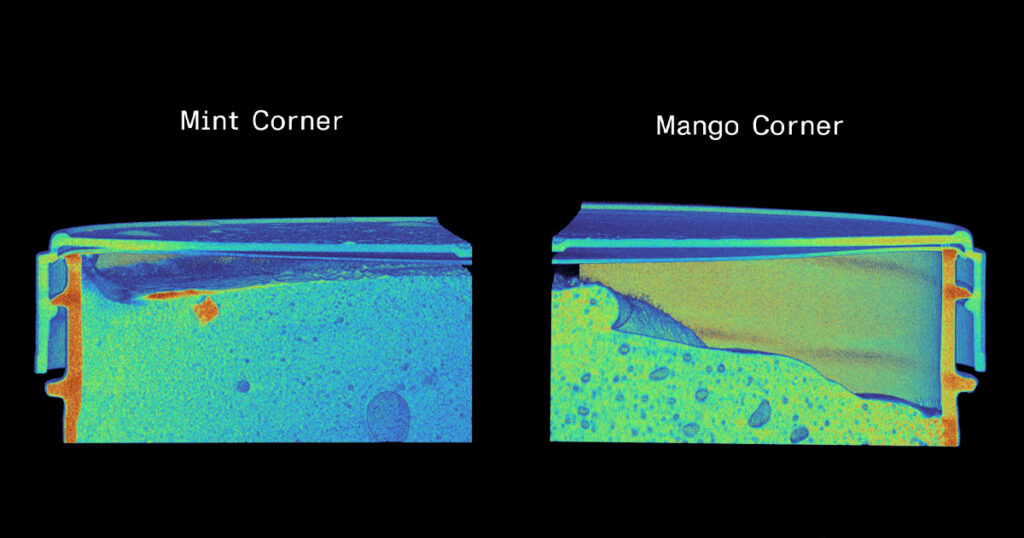
While the Talenti container offered one example, Hao said the technology often reveals details engineers aren’t expecting to find.
“That first moment of looking inside something and it not being what you expected, I think that’s super magical,” she said.