Packaging is a key way for brands to stand out from their competitors and to present an aesthetically pleasing design to customers. The craftsmanship of a rigid box is also critical to reliable deliveries, and automation plays a growing role at every stage, from assembly and fulfillment to delivery.
Attention to detail is crucial to presentation, reliability, and sustainability. Let’s explore how modern packaging is developed and manufactured with the latest technologies.

Traditional versus robotic rigid box manufacturing
The mass production of packaging has always been dependent on machines. But a lot of manual work is still done by human capital to turn virgin wood or recycled pulp into a usable box.
For instance, the mixing, dying, and drying processes are done by the giant-spread packaging machines. They’re followed by the manual efforts of the laborer to turn the simple box into an elegant masterpiece.
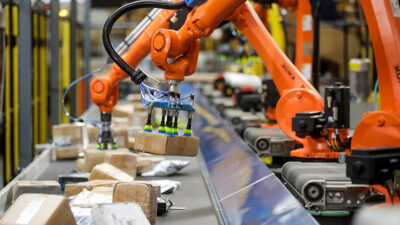
However, things have changed with advances in autonomous systems. Now, with a few commands, a box came into existence with no human involvement at all. That’s the new normal of the packaging industry.
The goal of robotics is to minimize costly, scarce, and variable human labor and ensure consistency and quality in the output in each unit. Advances in perception, manipulation, and programming can reduce workflow complexity, at least on the surface for the operator.
Automated hands make box work lighter
Rigid boxes go through several phases in the crafting machinery before they are filled. If robots miss or mishandle any steps in the sequence, they can disrupt the rest of the operation.
Die cutting
First of all, the material for the rigid box is finalized. Take, for example, the manufacture of custom boxes with magnetic closures. The sophisticated process starts with the die-line cutting of the boards. Since the size of boxes varies from one product to another, this step acts as the foundation for the rigid packaging.
Wrapping paperboard
The next phase begins as sheets of multiple paperboard or cardboard are integrated with one another. These sheets are glued using formulated solutions ensuring top-notch adhesion and that the thin layers become robust packaging layers.
Meanwhile, the integration of sheets is carefully processed, as any misalignment can put the entire board into the trash. Here, robot reliability comes into play, working to avoid any major placement errors.
Creasing
Once the sheets are glued and the ideal thickness for the board is achieved, it is then pressed with hydraulic creasing machines. This allows the material to develop foldable flaps, walls, and corners. Once the box is assembled, there may be no clue of it, but the whole structure of the box came into existence because of it.
We can say that it turns any box’s flat surface into a DIY, easy-to-develop structure because of the creasing. If it’s not considered, the box’s walls and other sides can’t be folded or assembled. Or if it’s tried to develop the material, it will collapse, leaving nothing but a compromised rigid board.
Printing
The digital design is then printed onto the surface of the packaging. Eye-catching branding elements are finely printed on the surface with high-quality inks that ensure maximum vibrancy and color accuracy.
Finishing
Following the printing, the boxes are coated with alluring finishes that range from subtle matte looks to multi-colored holographic finishes and more. That’s how an appeal surface is developed that adds an extra layer of elegance to the rigid boxes.

Subscribe to the Packaging OEM newsletter
Get the latest news, trends, and technology updates delivered straight to your inbox and make smarter packaging decisions.
Folding
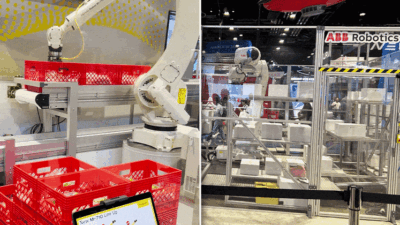
As the aesthetic aspects are finalized, the box is then assembled into a ready-to-use state with the help of robotic arms, which mimic human skills. From the first to the last unit, each features a fully functional design with no errors at all.
Multiple machines, one goal — rigid box crafting
From small product orders of rigid boxes to large-scale manufacturing, multiple machines facilitate the craftsmanship of rigid packaging. Each one is deployed, ensuring the outcome remains pin-perfect as the machines are integrated with high-resolution cameras and robotic arms that are operated with the pre-determined instructions.
For instance, examples of common machines from Zhengrun Machinery for this purpose include:
Max One-click Adjustment Series:
- RB185A
- RB185B
Automatic Rigid Box Maker Series:
- RB380S
- RB380
- RB185
- RB6040
Attention to detail is important for robotics in rigid box manufacturing. The goal is to create packaging in bulk with a meticulous focus on accuracy and quality at each stage. Consult with experts in developing such packaging instead of relying on guesswork, an aging workforce, and manual quality control.
About the author
Salman Shahid is a CEO and AI architect recognized for his digital marketing expertise across diverse industries. As the managing director of Just Hub LLC, CEO of Noah Technologies with a flagship project, chief marketing officer of DevBatch, and leader of other ventures, he drives multidisciplinary business growth through strategic leadership and technological innovation.