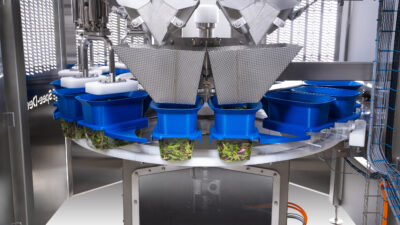
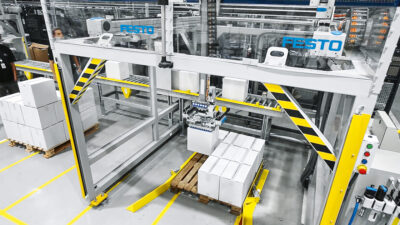
Packaging regulations are often viewed in terms of materials and recyclability. But those changes extend far beyond the package itself and into operations.
As new packaging laws sweep across the United States, OEMs, suppliers, and manufacturers are evaluating how evolving materials and formats could influence machine design, production capabilities, and long-term planning.
At the same time, companies are investing in simulation technologies and automation to prepare for what’s next.
This edition of On the Line takes a look at how those changes are impacting the future of packaging.
Want to see this sooner? Subscribers get early access to our email newsletter every Tuesday. Click here to sign up.

Subscribe to the Packaging OEM newsletter
Get the latest news, trends, and technology updates delivered straight to your inbox and make smarter packaging decisions.
How packaging laws are reshaping materials and machine design
As the next wave of 2026 regulations is set to take effect, OEMs, packaging suppliers, and industry organizations are sharing how the changes are influencing material selection, machine design, and long-term planning.
Crystal Bayliss, executive director of the U.S. Plastics Pact, shared how OEMs should approach designing sustainable packaging.
“One of the most important things companies should be thinking about now is designing for recyclability and recycled content at the same time,” said Bayliss.
She added that meeting those expectations requires coordination across the packaging supply chain. Whether it’s material suppliers, converters, OEMs, or brand owners, everyone is responsible for ensuring packaging is not only recyclable but also fit for purpose.
“Meeting those expectations won’t happen in silos. It will require close collaboration,” said Bayliss.
→ Read more
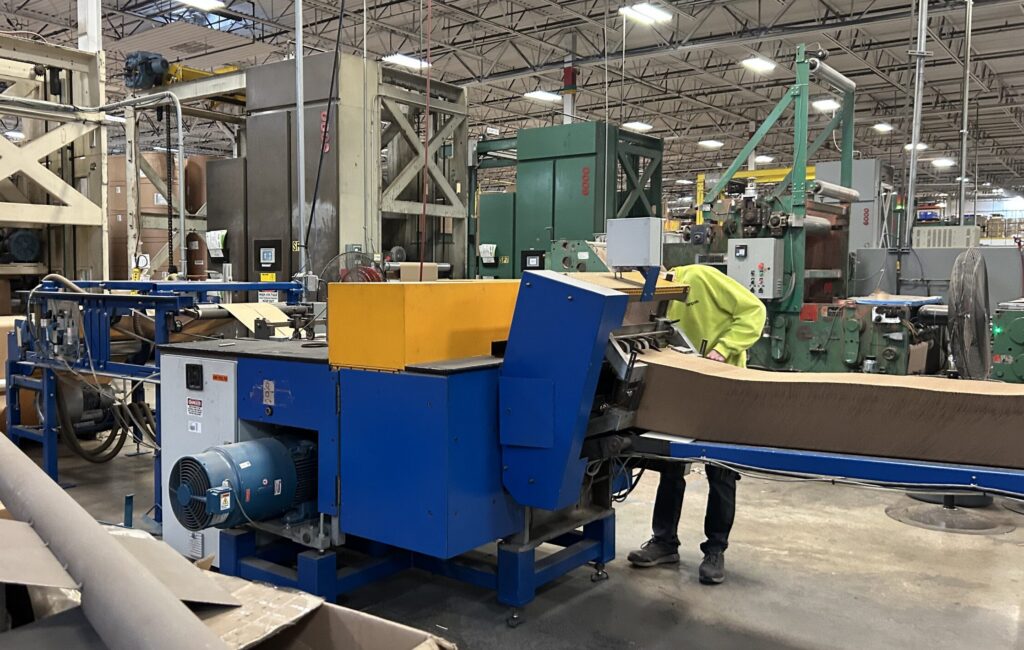
2026 packaging regulations machine builders need to know
State-level legislation continues to expand across the U.S. Here’s a look at some of the changes influencing materials, recyclability, and sustainability efforts.
→ See the changes
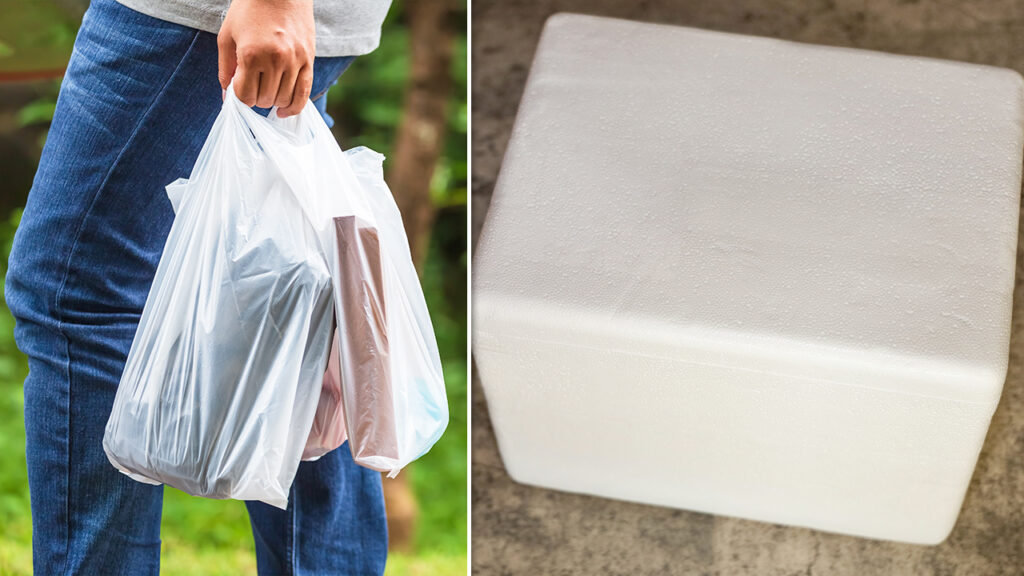
Designing the next generation of sustainable packaging
Increasing recycled content and reducing material use can introduce new design challenges. Amcor uses Dassault Systèmes software to simulate the dynamic aspects of a package and anticipate how different shapes will react in the lifespan of that container.
“We design and redesign that container several times before we make that initial prototype,” said Brad Philip, principal design engineer at Amcor Rigid Packaging.
→ Learn more

Using technology to support sustainability goals
Sustainability goals are influencing decisions across operations, not just materials.
Robby Martin, principal of 3-Fold Consulting and former engineer at Bush Brothers & Company, explained how data and analytics, flexible automation, and packaging design integration can support sustainability efforts.
“Automation can help improve employee engagement through development and training opportunities, where we can invest in the people who make these incredible products. And when you think about that, there’s sustainability of resources, because you’re not losing as much of the most valued resource you have, which is the people that work within your organization,” said Martin.
→ Read more

Food Packaging: A Flexible Future and the Shelf-Ready Revolution
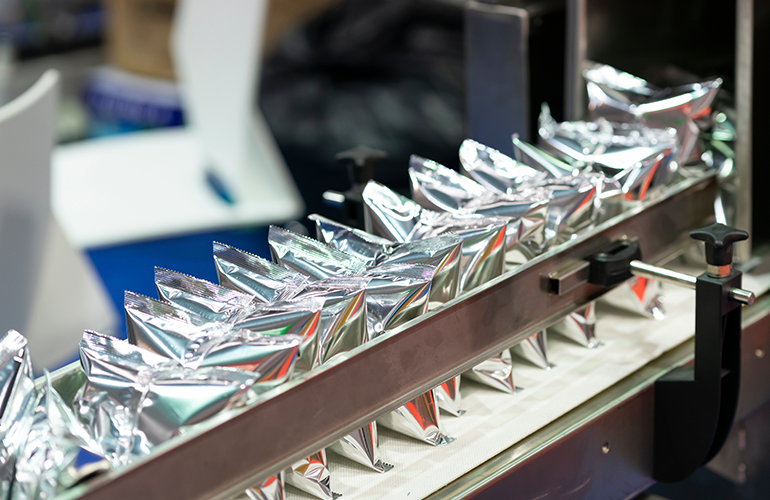
Flexible packaging is becoming increasingly popular due to its lightweight nature and sustainability benefits.
We take a deep dive into the role of OEMs and suppliers, current and future use cases, and the operational adjustments needed to support these flexible formats.
→ Download the report
Final takeaway
Year after year, regulatory requirements in packaging continue to evolve. As they do, changes to materials, formats, and sustainability initiatives continue to influence decisions across the production line.
We’ll continue following how the industry responds.
Missed last week’s On the Line? Read what deeper analysis reveals in packaging.