We’re halfway through 2026. Before we turn the page to the second half of the year, we’re spotlighting six packaging stories and reports that generated the most views among our readers during the first six months of the year.
Flexible packaging, 2D barcodes, artificial intelligence, programmable logic controllers, and custom equipment for end-of-line automation.
Want early access to our curated On the Line newsletter? Subscribers receive it every Tuesday. Click here to sign up.

Subscribe to the Packaging OEM newsletter
Get the latest news, trends, and technology updates delivered straight to your inbox and make smarter packaging decisions.
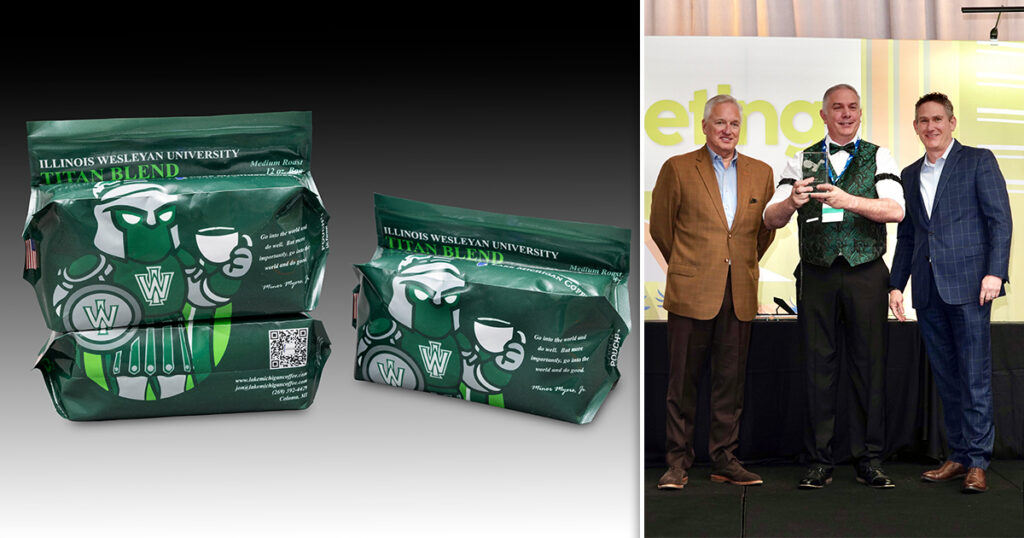
Flexible packaging awards highlight OEM-driven design
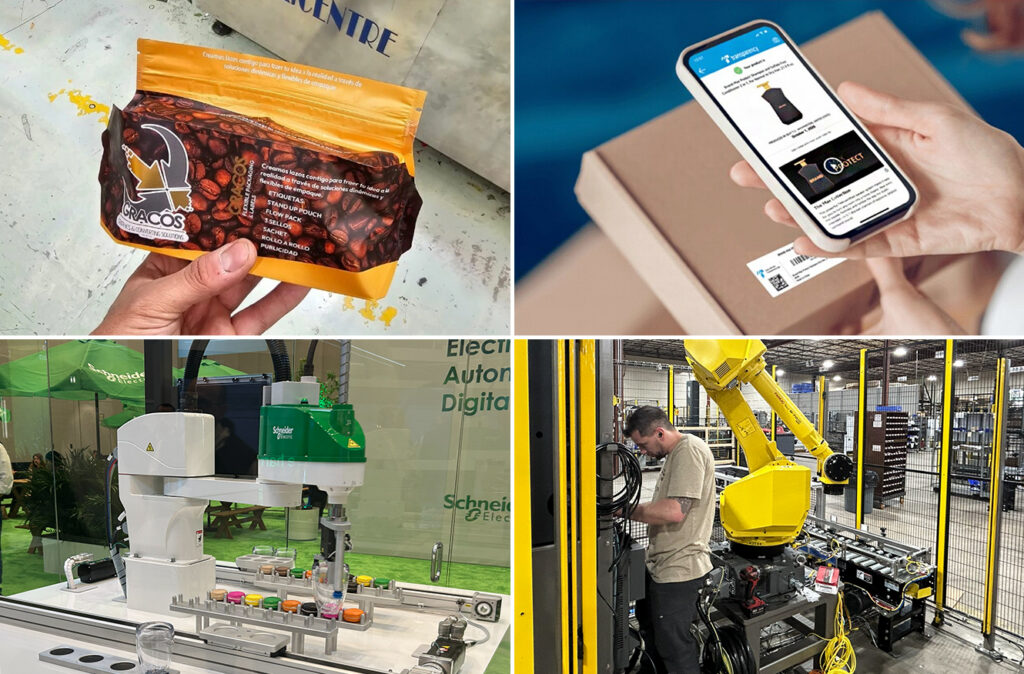
It’s not often that flexible packaging sees the birth of an entirely new format, but at the Flexible Packaging Association’s Achievement Awards earlier this year, that’s exactly what happened. And the idea came from a machine builder.
Sun Centre USA, an OEM known for building machinery for flexible pouches, received the Highest Achievement Award for its POUCH3 Cuboid format, along with Gold awards for packaging excellence and expanding the use of flexible packaging. The new structure is designed to reduce material use while improving how products are filled, shipped, and displayed on the store shelf.
We spoke with Jim Pease, president and Owner of Sun Centre USA, about how sustainability and design go hand in hand.
“Sustainability starts with reduce, and you can’t reduce without rethinking your design,” said Pease.
→ Read more
Amazon explains why 2D barcodes are the future of traceability
The barcode printed on nearly every consumer product is preparing for its biggest evolution in more than 50 years. Through GS1 US’s Sunrise 2027 initiative, the packaging industry is working toward a transition to 2D barcodes at point-of-sale systems.
These intelligent barcodes resemble QR codes and hold thousands of characters, far more than the 12-digit Global Trade Item Number (GTIN). That expanded capacity could unlock new levels of product traceability, authentication, and consumer visibility.
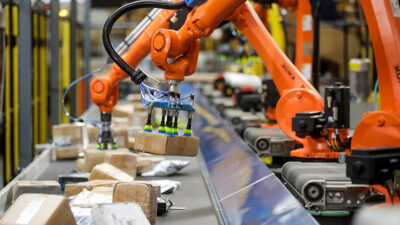
At Pack Expo East in Philadelphia in February 2026, Amazon outlined how its Transparency Program uses item-level serialization to verify products and prevent counterfeit goods from reaching customers. The program is being aligned with GS1’s global open standards so that item-level identification works not just in Amazon’s ecosystem, but across the broader retail supply chain.
“For years, brands have been using proprietary systems – each one different, none of them talking to each other. Our partnership with GS1 essentially aims to change that,” said Clay Ryan, head of worldwide business for Amazon Transparency.
→ Learn more

How AI and digital twins are reshaping packaging machinery
The biggest changes in packaging machinery happen long before a single piece of steel is ever cut. Machine capabilities, powered by artificial intelligence (AI) and digital twins, are shaping how equipment is designed, tested, and deployed across packaging lines.
At Schneider Electric’s 2025 Innovation Summit, OEM and robotics experts emphasized that validating performance digitally lets engineers tackle complex packaging challenges, from multiple package types to rising SKUs, before equipment is ever used for production.
“Gone are the days when we shut down the line and do a tool change for eight hours and then start production,” said Christine Bush, director of Schneider Electric’s robotic center of excellence, during an interview with Packaging OEM. “Everything needs to be fluid.”
While the pick-and-place robot may look the same on the floor, its processing capabilities are evolving. Using predictive software and AI-assisted tools that handle vision, timing, and decision-making, packaging machines are becoming not just faster but smarter.
→ Read more
The new PLC play: Virtual, open, and AI-enabled
The programmable logic controller (PLC) has come a long way since its introduction in the late 1960s. At that time, it served as a replacement for hard-wired relay logic systems. Since then, it has developed into the “brains” behind manufacturing and packaging machinery, allowing OEMs to design more functionality and scalability into systems.
In simple terms, the PLC is a ruggedized computer that can be programmed for real-time control of machines, robotic devices, and other processes on the factory floor and packaging line. Changes can be made via software programs without physical rewiring.
This report explores the recent advancements in PLC capabilities and how it will impact machine builders and manufacturers alike.
→ Download the report
The new remote management mindset in packaging
As packaging machines are deployed across more sites, operate at higher speeds, and handle a wider mix of products and formats, OEMs are being asked to support their equipment well beyond initial installation. This makes remote management a necessity for machine builders, rather than a luxury.
This report explores the technologies and practices enabling remote management, including turning machine data into insight, securing access across customer sites, standardizing service workflows across fleets, and real-world examples of OEMs applying these capabilities in practice.
→ See the insights

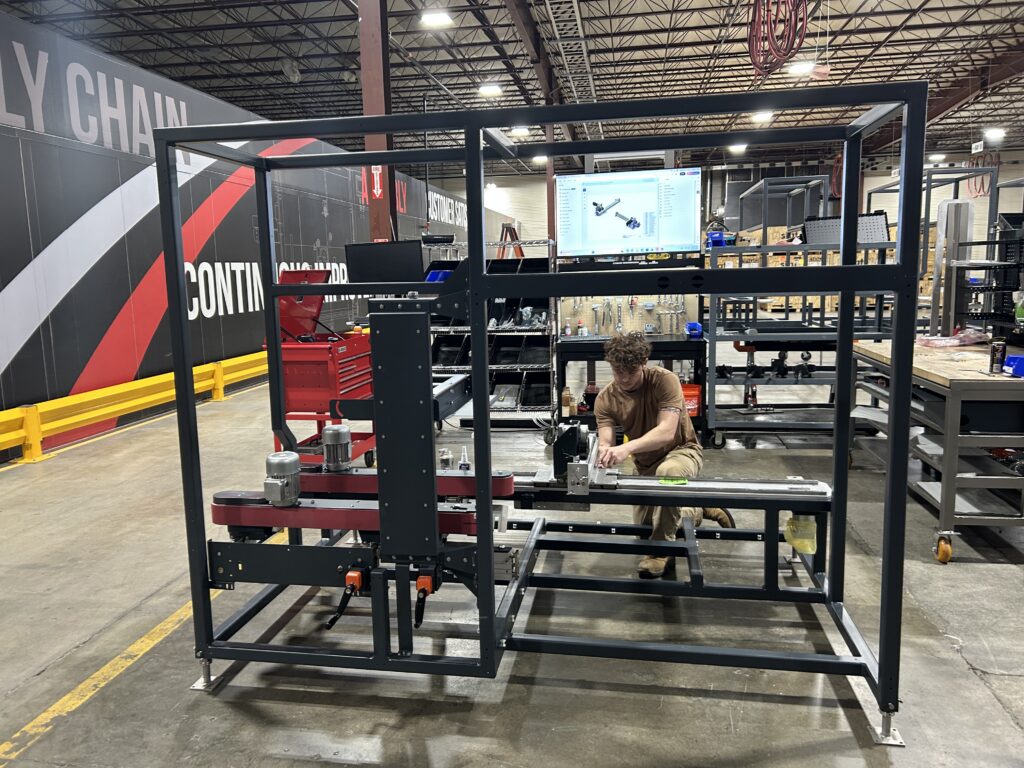
Built around the application: How Combi develops custom end-of-line systems
Inside Combi Packaging Systems’ facility in Canton, Ohio, machines are taking shape across the production floor. But they rarely look the same.
Some machines are integrated with robotics, others are drop packers or case erectors, but one goal remains the same: to design both standard and custom end-of-line equipment tailored to each customer’s needs.
“We have north of 200 different names and models of equipment, everything from a simple semi-automatic case sealer to a million-dollar-plus fully robotic integrated line. We do everything in between,” explained Jason Mitchell, vice president of operations at Combi, during a tour of the shop floor for Packaging OEM.
Most of the work is custom, with machines varying by application. Across more than three dozen assembly bays, employees move between builds, checking in and greeting each other with fist bumps.
In one bay, crews may be designing a case erector that’s destined for production at Carlo’s Bakery, home of the “Cake Boss,” and across the floor, another team assembles a fully integrated robotic system to handle magazines of baseball cards, or even a machine that will soon automate noodle production in Amish Country.
Despite the variety, the machines share a common role: preparing products for shipment, each engineered for its specific function.
→ Read the OEM profile
Final takeaway
The topics of our six most viewed stories may be different, but they all point to the same trend: packaging continues to evolve. That impact is felt across materials, machinery, software, and automation.