Brands are asking more of the package. It’s no longer simply about housing the product. Packages must also capture attention, encourage interaction, and extend the consumer experience through both physical and digital touchpoints.
In this edition of On the Line, we explore how Coca-Cola is using collectible World Cup packaging to connect fans beyond the tournament. We also explore how the barcode is preparing for its biggest evolution in more than 50 years.
Plus, Packaging OEM begins a new chapter as an Arrowfly brand.
Get access On the Line before everyone else. Subscribe to receive our curated e-mail newsletter every Tuesday. Click here to sign up.

Subscribe to the Packaging OEM newsletter
Get the latest news, trends, and technology updates delivered straight to your inbox and make smarter packaging decisions.
How Coca-Cola is making packaging part of the World Cup experience
The FIFA World Cup celebration doesn’t end when the whistle blows.
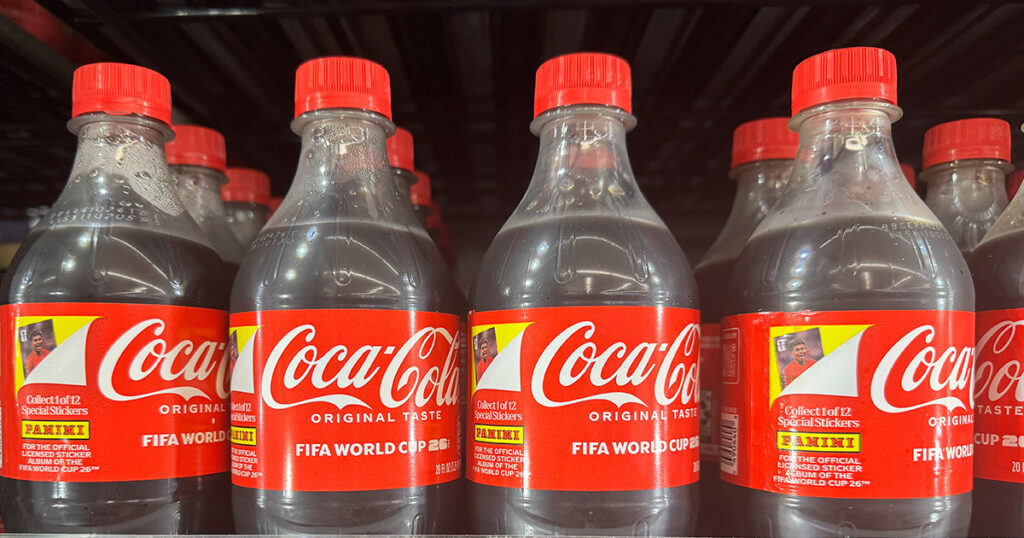
The Coca-Cola Company’s latest campaigns in China and North America highlight how packaging can engage consumers long after the product leaves the shelf.
In China, the company partnered with Smurfit Westrock to develop paper-based retail packaging, including an octagonal gift pack inspired by a soccer ball.
For consumers in the United States and Canada, Coca-Cola teamed up with collectibles company Panini to turn labels into collectible stickers that connect fans with physical and digital experiences.
→ Read more
Packaging OEM’s parent company, WTWH Media, rebrands as Arrowfly
Packaging OEM’s parent company has rebranded as Arrowfly. The new name reflects the company’s continued growth while maintaining the trusted journalism, events, and industry communities that readers rely on.
“We built this company by earning the trust of professionals in industries where editorial authority matters,” said Matt Logan, CEO of Arrowfly. “The name is new, but the foundation is the same: editors who speak each industry’s language, events that connect buyers and sellers who would never meet otherwise, and communities that professionals rely on for the insight and intelligence they need to make real decisions. Arrowfly gives us a brand that matches the scale and ambition of what we have become.”

Preparing packaging lines for Sunrise 2027 with GS1 US
A lot has changed since the first universal product code (UPC) was scanned in Troy, Ohio, more than 50 years ago. Packaging lines have become faster, formats have multiplied, and SKUs have increased, presenting new opportunities regarding 2D barcodes for both machine builders and manufacturers.
On the horizon is the next shift for barcodes: Sunrise 2027, the industry’s date to transition to 2D barcodes at point-of-sale systems.
We spoke with Andrew Morehead Jr., director of global standards at GS1 US, the nonprofit organization behind the barcode, about how 2D barcodes can hold more data than a traditional 1D barcode. He also shares what OEMs need to know to prepare their lines for the shift.
“[OEMs] are increasing the print technologies to be able to apply those barcodes at the same speeds that they’re doing on the manufacturing line, while maintaining the quality,” explained Morehead. “You don’t want to print these barcodes too fast so that they don’t scan.”
→ Listen to the podcast
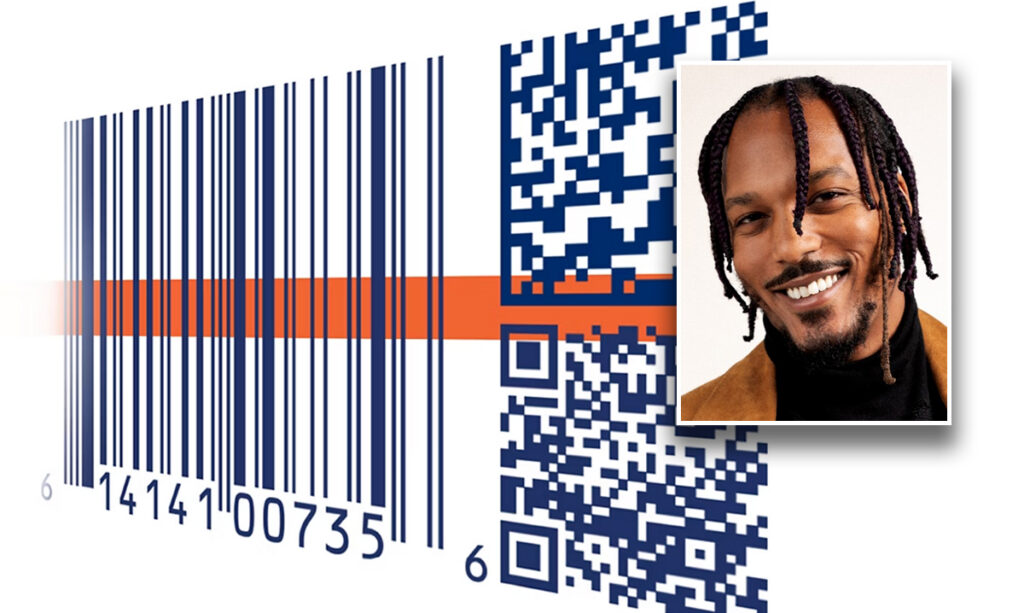
User-friendly features propelling growth in augmented reality packaging
Augmented reality (AR) packaging is projected to surge to a $510 million industry by 2030.
AR packaging functions like traditional packaging, but it can be enhanced with artificial intelligence to boost engagement through visual markers, including QR codes or 2D barcodes. Once scanned by a consumer’s smartphone camera, the package comes to life, displaying interactive digital content such as promotions, virtual try-ons, and recipes.
Companies like PepsiCo, Nestlé, and L’Oréal are already leveraging this technology.
→ Find out how

Final takeaway
The package is evolving beyond its role as the consumer’s first touchpoint, becoming a platform for deeper engagement opportunities. Brands and manufacturers are working with OEMs to ensure these data-rich opportunities are printed correctly on high-speed lines.
The examples in this issue, including collectible labels, 2D barcodes, and augmented reality features, highlight how digital transformation is extending well beyond the packaging line and into the consumer world.
The next phase will focus on what happens after the scan. We’ll continue following how brands, manufacturers, and OEMs use connected packaging to create new possibilities.