Cannabis packaging sits at the intersection of product protection, regulation, production, and shelf appeal. In this edition of On the Line, we look at how Calyx Containers approaches cannabis packaging in the United States and what food manufacturers need as flexible packaging continues to expand.
Want access to our curated email newsletter? Subscribers receive it every Tuesday. Click here to sign up.

Subscribe to the Packaging OEM newsletter
Get the latest news, trends, and technology updates delivered straight to your inbox and make smarter packaging decisions.
Calyx Containers cultivates a new approach to cannabis packaging
Cannabis packaging has to do more than protect a product on the dispensary shelf. It can play a role in preservation, child resistance, regulatory compliance, production efficiency, and how quickly a new format moves into production.
Calyx Containers is working across that process through Calyx Cure, its nine-layer breathable film used during curing, along with rigid containers and flexible packaging.
The company also uses digital printing and works with OEMs to validate packaging on equipment before it reaches production.
At its Salt Lake City facility, Calyx is also working with Sun Centre USA on a box-shaped flexible format and developed a thinner child-resistant zipper that increased run speeds by 10% to 15%.
The company’s approach shows how package design, materials, and machinery increasingly have to work together.
“It’s like this puzzle where it needs to meet the COGS target, the budget requirements, and it needs to work in the production line for efficiency purposes. It needs to meet marketing expectations and preserve the product inside,” said Alex Gonzalez, president and co-founder of Calyx Containers. “It’s like this central puzzle piece that needs to fit so many edge pieces.”
→ Read the feature story
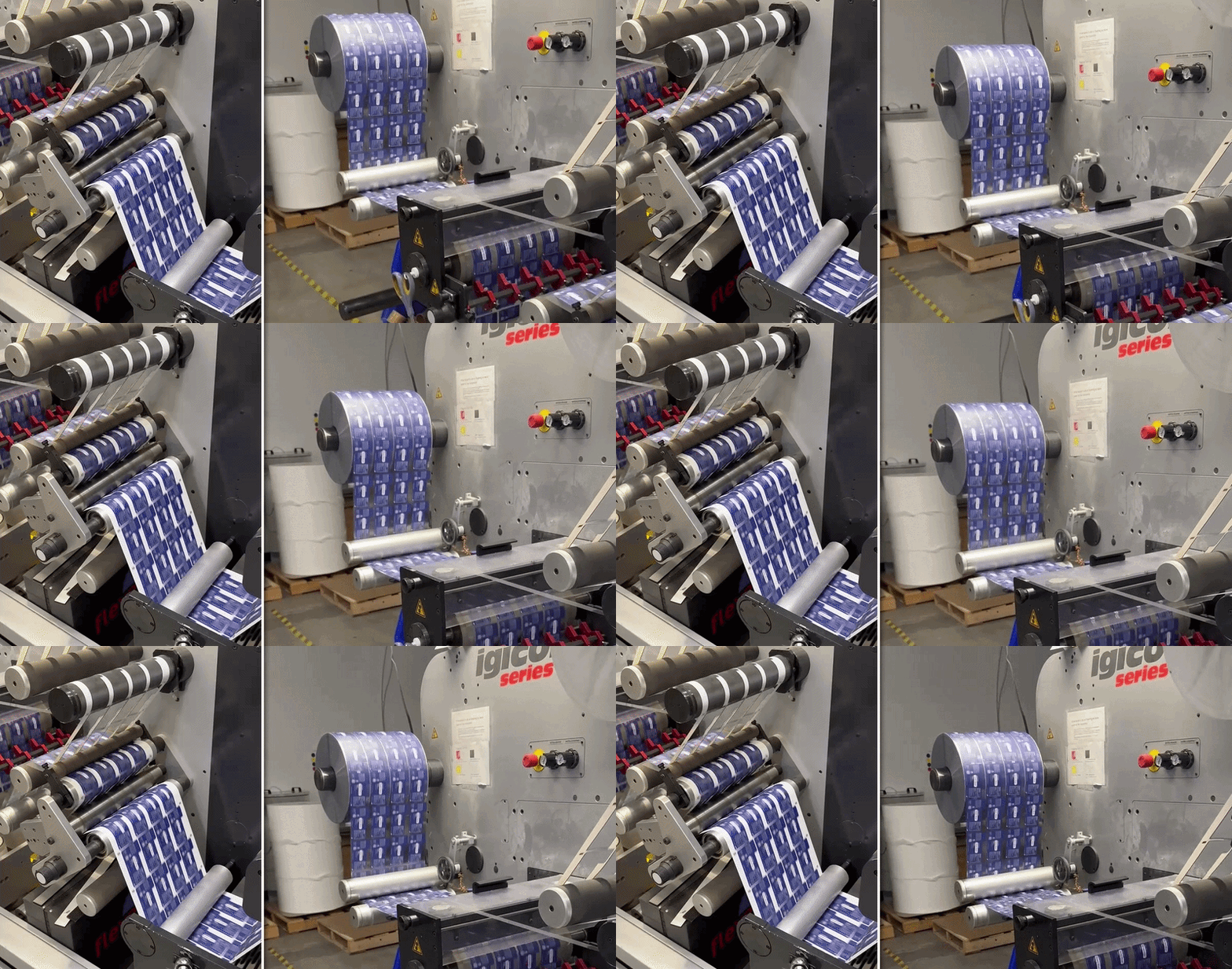
Flexible packaging puts new demands on OEMs
Packaging OEM’s Food Packaging: A Flexible Future and the Shelf-Ready Revolution report found 72% of surveyed food manufacturers package at least half of their portfolio in flexible formats, while 48% expect to use more flexible packaging in the future.
That growth is creating challenges around line speeds, changeovers, materials, seal integrity, and workforce skills. Manufacturers are also investing in new machinery and automation to accommodate flexible formats.
For OEMs, the findings point to a need for more versatile equipment, automation, simpler interfaces, training, and integration support.
→ Download the report

Final takeaway
Flexible formats continue to expand across packaging, but making them work in production takes more than changing the package.
Package design, machine capability, and production requirements increasingly have to be considered together.